

『Air Flow Meter Hospital: Central Facility Thorpe Tube Oxygen Safety Systems』Related information(clamp on meter|electromagnetic meter|venturi meterrotameter|orifice meter|ultrasonic flow meter|mass flow meter|coriolis mass flow meter|coriolis flow meter|magnetic flow meter|magmeter flow meter|magflow flow meter|mag meter flow meter|electromagnetic flow meter|vortex flow meter|turbine flow meter|thermal mass flow meter|thermal flow meter|rotameter flow meter)
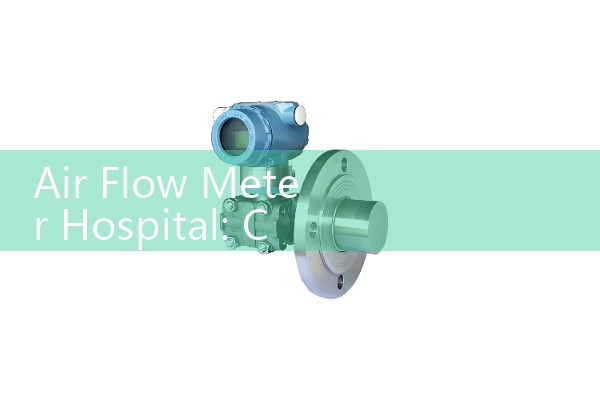
Air Flow Meter Hospital Central Facility Thorpe Tube Oxygen Safety Systems
Quick Answer: Hospital central oxygen systems use Thorpe tube flow meters at the bedside for low flow oxygen delivery. For the central facility line, an inline gas flow meter with oxygen clean wetted parts and 4-20 mA HART output gives real time consumption data. Silver Automation Instruments supplies gas flow meters for DN15 to DN50 oxygen lines in hospitals across Southeast Asia, the Middle East, and Latin America.
Most hospital staff know the Thorpe tube as the clear plastic tube with a small ball or bobbin. The Thorpe tube sits on the wall outlet or regulator in patient wards. The device measures low flow oxygen, often 0 to 15 L/min. The tube is simple. A nurse turns a needle valve and watches the ball rise. That reading tells the operator what the patient receives at that moment.
But a Thorpe tube is not a central facility flow meter. The device serves one bed, one outlet, one patient. Hospital engineers still need to know how much oxygen the whole building uses. They need to detect leakage, track consumption by block, and prove stable supply pressure. That job belongs to an inline flow meter on the main oxygen header or branch pipelines.
Thorpe Tube Basics in Hospital Oxygen Systems
Thorpe tube flow meters are variable area devices. They use a tapered tube and a float. In hospital oxygen therapy, common ranges are 0 to 5 L/min for pediatric use and 0 to 15 L/min for adult use. The tube is usually made of polycarbonate. The Thorpe tube operates at low pressure after the needle valve. This range is safe for patient delivery.
One thing many engineers skip is the difference between the Thorpe tube reading and actual gas flow. The reading is affected by back pressure, tubing length, and the outlet setting. A Thorpe tube is not a custody transfer meter. It is a clinical flow indicator. The hospital central facility needs separate metering if the goal is real consumption data.
Why Central Facility Flow Monitoring Matters
Hospital oxygen pipelines run at 4 bar to 5 bar from the central manifold or liquid oxygen tank. The gas passes through medical gas filters, pressure regulators, and zone valves. If a leak occurs in a riser or behind a wall, pressure may still look normal. A flow meter on the main line shows consumption that does not match bed count. That gap is often the first sign of leakage.
We have seen this on customer sites many times. A hospital in Vietnam suspected high oxygen use in one block. They installed a DN25 inline gas flow meter with pulse output on the branch header. Within two days they found that a damaged gasket was leaking at night when no therapy was running. The flow meter paid for itself in one month.
Matching a Flow Meter to Medical Oxygen Lines
For central facility monitoring, the pipe size is often DN15 to DN50. The flow range depends on the hospital size. A small clinic may use 20 to 200 L/min. A large hospital may need 100 to 2000 L/min. Because hospital oxygen is dry and clean, a thermal mass flow meter works well for most header applications.
The meter has no moving parts. The meter measures mass flow directly. That means the reading does not shift when pressure moves from 4.0 bar to 4.5 bar. Standard output is 4-20 mA HART. You can add RS485 Modbus for a building management system. Wetted parts are 316L stainless steel with oxygen cleaning as an option.
Why Oxygen Clean Matters
Oxygen systems are sensitive to oil and grease. Even a small film of lubricant can ignite in high pressure oxygen. Before you install any flow meter on a medical gas line, the wetted parts must be cleaned for oxygen service. The cleaning process removes hydrocarbon residue. The meter
This is not the same as a standard air flow meter. A standard compressed air flow meter may carry oil residue from the compressor. That residue can contaminate an oxygen line. Always tell your supplier the gas is oxygen. Specify maximum pressure in bar, temperature in °C, and pipe size in DN. The cleaning and certificate take extra time. Plan for that in the purchase schedule.
Silver Instruments Gas Flow Meter Options
Silver Automation Instruments supplies inline gas flow meters for hospital central facilities. For a DN25 oxygen header at 4 bar with a flow range of 50 to 500 L/min, a thermal mass flow meter works well. Accuracy is about plus or minus 1.0 percent of full scale. Response time is under 1 second. The electronics can be compact or remote mount. Remote mount helps when the pipe runs above a ceiling or in a tight plant room.
For larger DN80 or DN100 oxygen mains, we can supply a vortex flow meter. Vortex meters are better for higher flow rates and clean gas lines. But for hospital oxygen, a thermal mass flow meter is usually enough. If the hospital has a central air line as well, the same model can run on compressed air. That reduces spare parts stock for the maintenance team.
Installation and Calibration Points
Install the meter on a straight pipe run. Most thermal mass flow meters need 10 DN upstream and 5 DN downstream. If the meter has a flow conditioner, the straight run can be shorter. Check the arrow on the meter body. The arrow must match the gas flow direction. Use metal seals or PTFE tape approved for oxygen. Do not use standard thread sealant with oil.
Calibration should be done with air or oxygen. The factory can calibrate the meter on air and apply a gas correction factor for oxygen. If the hospital needs traceable calibration, request a certificate. Silver Instruments supplies calibration data with each meter. The 4-20 mA output can be scaled to the flow range. For example, 4 mA equals 0 L/min and 20 mA equals 500 L/min.
FAQ: Hospital Oxygen Flow Meter Selection
Can I use a Thorpe tube for main oxygen line flow monitoring?
No. A Thorpe tube is a low pressure bedside flow indicator. The central facility main line needs an inline flow meter with a transmitter output for recording and alarm functions.
What flow meter type do you recommend for a DN25 oxygen line?
For a DN25 oxygen header at 4 bar, a thermal mass flow meter with 316L wetted parts works well. Request oxygen cleaning and a 4-20 mA HART output.
Does the flow meter need oxygen cleaning?
Yes. Any meter installed in a medical oxygen line must be cleaned for oxygen service. The wetted parts must be free of oil and grease. Specify oxygen cleaning when you ask for a quote.
What data do you need for a hospital oxygen flow meter quotation?
Send the oxygen flow range in L/min or Nm3/h, pipe size in DN, pressure in bar, and temperature in °C. Also state the output signal, power supply, and whether the installation is indoor or outdoor.
Can Silver Instruments supply calibration and spare parts?
Yes. We supply the meter, user manual, calibration certificate, and remote or compact electronics. Spare sensors and gaskets are available. We ship to hospitals and contractors in Southeast Asia, Oceania, Latin America, Africa, and the Middle East.
For a hospital central facility oxygen flow meter quote, send Silver Instruments the oxygen flow range in L/min, pipe size in DN, pressure in bar, and temperature in °C. Tel: +86-135-1213-1526. WhatsApp: 86-135-12131526. WeChat: +86 13512131526. We reply within 24 hours on weekdays.
 Hot Blog
 Related AD