

『Bidirectional Ultrasonic Flow Meter: Dual Transit Array Pipeline Testing』Related information(clamp on meter|electromagnetic meter|venturi meterrotameter|orifice meter|ultrasonic flow meter|mass flow meter|coriolis mass flow meter|coriolis flow meter|magnetic flow meter|magmeter flow meter|magflow flow meter|mag meter flow meter|electromagnetic flow meter|vortex flow meter|turbine flow meter|thermal mass flow meter|thermal flow meter|rotameter flow meter)
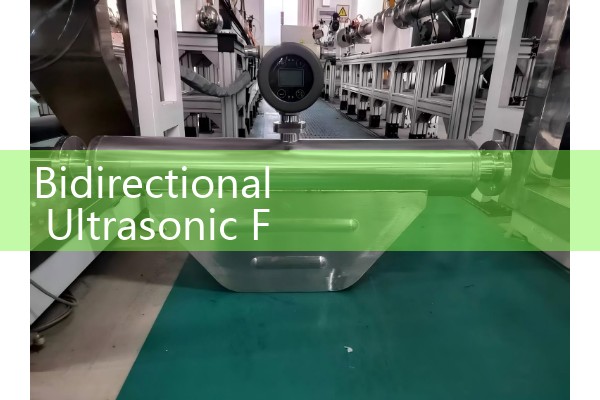
Bidirectional Ultrasonic Flow Meter with Dual Transit Array: On-Site Pipeline Testing You Can Trust
Quick Answer: A bidirectional ultrasonic flow meter with dual transit array sensors measures flow in both directions without pressure drop, on metal or plastic pipes from DN15 to DN3000. Silver Instruments supplies clamp-on and inline models that deliver ±0.5% of reading accuracy, even during field pipeline tests with changing fluid viscosity and temperature. Send us your pipe size, fluid type, temperature, and pressure. We will return a quote within one working day.
Why a Dual Transit Array Matters for Real Pipe Conditions
Most engineers learn the hard way that single transit time meters fail when the flow profile gets distorted. A 90 degree elbow right before the sensor, rust flakes on the pipe wall, or low conductivity liquids can throw off the reading. The dual transit array solves this by firing ultrasonic pulses along two separate paths. Each path samples a different chord of the pipe cross-section. The transmitter then averages the velocity data from both paths. This method compensates for swirl, asymmetrical flow, and even some turbulence. In practice, it means you get stable readings where a single path meter would show drift or error alarms.
Silver Instruments uses matched ultrasonic transducers in the dual array. Our factory pairs the sensors at 500 kHz or 1 MHz depending on pipe diameter. For pipes under DN50, the higher frequency gives sharper signal rise time. For large water mains above DN600, the 500 kHz option punches through thicker wall materials like ductile iron or cement lined steel. The mounting frame holds the two transducer pairs at a fixed angle. That angle is precalculated based on your pipe material and wall thickness, not an adjustable rail that site technicians can misalign. We have seen misaligned rails on customer sites many times. A 2 mm slip can cause a 1.2 percent offset on a DN150 pipe. Fixed frames prevent that.
Pipeline Testing That Matches Factory Calibration
Customers in Southeast Asia often ask us, “Can we just strap the sensor on and trust the reading during a 48 hour custody transfer test?” The answer is yes, if you handle three things. First, the pipe surface must be clean and smooth where the transducers mount. Rust and paint bubbles scatter the ultrasonic beam. Silver Instruments ships the meter with a pipe preparation kit: a stainless steel scraper, 120 grit sandpaper, and silicone free coupling compound. Second, you must enter the correct pipe geometry into the transmitter. Our engineers preconfigure the pipe outer diameter, wall thickness, material sound speed, and lining parameters before dispatch. Third, the fluid must be full pipe condition with no gas bubbles above 1 percent by volume. Bubbles absorb ultrasound and break the signal. If your application has entrained air, we recommend installing the meter on a vertical pipe run with upward flow. That keeps bubbles moving and minimizes accumulation.
A paint manufacturer in Vietnam tested our dual array clamp-on meter on a DN100 carbon steel pipe carrying solvent at 42 °C. Their existing turbine meter showed a 4 percent deviation compared to truck weigh scales. After installing the Silver Instruments unit, the deviation dropped below 0.7 percent over seven batch transfers. The dual array compensated for the short straight pipe upstream of the meter. Only five pipe diameters of straight run were available. Single path meters in the same spot gave errors above 2.5 percent. This is why we specify dual array for retrofits where straight pipe is limited.
Bidirectional Measurement Without Extra Hardware
Many oil terminals and chemical plants need net flow calculation during loading and unloading. Traditional setups pair two separate flow meters with check valves and flow conditioners. That adds cost, maintenance, and potential leak points. A bidirectional ultrasonic meter with dual transit array reads positive flow and negative flow natively. The transmitter stores two separate totalizers. You get forward total, reverse total, and net total on a single display. The update rate of the Silver Instruments model runs at 100 ms per cycle. That speed is fast enough to capture flow reversal events that happen in less than two seconds. For ammonia loading arms at a fertilizer plant in Malaysia, we set the flow direction switch based on a digital input from the arm position sensor. The meter auto switches the flow direction without any configuration change by the operator. The Modbus RTU output then feeds the net volume directly to the custody transfer flow computer.
Because the ultrasonic signal travels both with and against the flow stream, the time difference calculation works symmetrically. Accuracy in the forward direction and reverse direction stays within the same uncertainty band. Our test data from a water calibration lab in Australia shows forward error of +0.28 percent and reverse error of -0.33 percent at 2 meters per second flow velocity. The rating plate on the transmitter states a single accuracy figure of ±0.5 percent of reading for bidirectional operat
On-Site Setup Procedure That Avoids Common Mistakes
Here is the thing. Most ultrasonic meter rejections come from bad installation, not bad hardware. Silver Instruments ships a guided setup wizard in the transmitter. The wizard asks for pipe outer diameter, wall thickness, material, lining, and fluid type. It then calculates the transducer spacing and confirms signal strength. The installer sees a live waveform on the LCD. The target is a signal amplitude above 800 millivolts and a signal to noise ratio better than 100:1. If the waveform looks jagged or the gain maxes out, the wizard suggests re-greasing the transducers, adjusting the clamping force, or moving the sensor away from a weld seam. The entire setup takes an experienced technician about 15 minutes per measurement point.
For dual array installations, the wizard walks through two pipe circumference measurements to position the two transducer sets at 90 degrees to each other. This orientation has proven to cancel out cross flow effects better than co-planar arrangements. The transmitter also applies a built in Reynolds number correction factor for the fluid. For viscous fluids above 150 cP, the flow profile is more parabolic. The correction factor shifts by up to 3.5 percent. Without this compensation, you will see a bias error proportional to viscosity. The wizard applies the correction automatically once viscosity is entered. If you do not know the exact viscosity, our application engineers can estimate it from your fluid name and temperature. Just provide those details in the quote request.
Output Signals and Industrial Integration
The Silver Instruments bidirectional ultrasonic flow meter outputs 4-20 mA HART, pulse, and Modbus RTU simultaneously. The 4-20 mA loop can be assigned to forward flow rate, reverse flow rate, or net flow rate. Two solid state relay outputs can trigger alarms for high flow, low flow, empty pipe, or direction change events. The data log stores 90 days of 15 minute interval values with date stamps and error flags. If you run a pipeline test over a long weekend, you can download the log via USB stick without a laptop. The file opens directly in Excel as a CSV with semicolon separators. That feature helped a water authority in the Philippines during a 72 hour non revenue water study. They pulled the data on site and shared it with the government auditor the same afternoon.
When to Choose a Dual Transit Array Over a Single Path Meter
Engineers ask us this question every week. Choose the dual transit array if your straight pipe length is less than 15 diameters upstream and 5 diameters downstream. Choose it if the velocity range spans 0.1 to 10 meters per second and you need one percent accuracy at the low end. Choose it if your fluid has a sound speed that varies with temperature, such as hydrocarbon mixtures. Choose it if you need bidirectional totalization in a single instrument. Choose the single path only if you have perfect straight pipe above 20 diameters, steady flow, and the budget is extremely tight. In most industrial retrofits, the dual array pays back the small extra cost within the first avoided shutdown or audit dispute.
Frequently Asked Questions
Q: Can the dual transit array meter measure dirty water with suspended solids?
A: Yes, provided the solids concentration is below 5 percent by volume and particle size under 10 microns. The ultrasonic signal can pass through light slurries. For heavy slurries, consider an electromagnetic flow meter instead.
Q: What is the minimum pipe diameter for a clamp-on bidirectional meter?
A: DN15 is the minimum, using a special small pipe transducer set. For inline spool piece meters, we offer DN6 as the smallest line size.
Q: How do you verify accuracy on site without removing the meter?
A: Use the built in velocity check mode. The transmitter compares the measured speed of sound in the fluid against a stored reference value. If the deviation exceeds 2 percent, the meter flags a maintenance warning. For formal verification, we recommend a clamp-on reference meter or a portable ultrasonic flow diagnostics tool.
Q: Can the meter handle ATEX Zone 1 hazardous areas?
A: Yes, the transmitter is available with an Ex d IIB T6 Gb enclosure. The transducers are intrinsically safe Ex ia. Full certifications include IECEx, ATEX, and PESO for India region projects.
Q: What is the maximum operating temperature for the clamp-on transducers?
A: Standard transducers work up to 150 °C pipe surface temperature. A high temperature option extends to 220 °C. Above that, we recommend installing the meter on a bypass loop with cooling fins.
Contact Silver Instruments for a Specific Quote:
Tell us your pipe outer diameter (DN), wall thickness, material, fluid name, temperature range, and required accuracy. We will select the correct dual transit array model and provide a complete price including freight to your site. Tel: +86-135-1213-1526, Whatsapp: +86-25-52
 Hot Product
 Related AD