

_500x500.jpg)
『Non full tube flowmeter』Related information(clamp on meter|electromagnetic meter|venturi meterrotameter|orifice meter|ultrasonic flow meter|mass flow meter|coriolis mass flow meter|coriolis flow meter|magnetic flow meter|magmeter flow meter|magflow flow meter|mag meter flow meter|electromagnetic flow meter|vortex flow meter|turbine flow meter|thermal mass flow meter|thermal flow meter|rotameter flow meter)

How to choose a dissatisfied tube type electromagnetic flowmeter? How to install? Electromagnetic flow meters are widely used in various fields such as sewage, fluorine chemical industry, production water, tap water industry, as well as pharmaceuticals, steel and many others. Due to its principle, it can only measure conductive liquids. When placing an order, it is not advisable to order according to the original pipe diameter. It is better to determine the instrument diameter based on your actual flow rate. Like other flow meters, electromagnetic flow meters also have requirements for straight pipelines before and after installation, with only lower requirements than other types of flow meters. Although electromagnetic flow meters have good reliability and are generally not damaged, due to their principle, the sensor electrode surface is always in contact with the liquid, and over time, the electrode surface is more susceptible to contamination. Therefore, in general, for electromagnetic flowmeters, if customers have the conditions to disassemble them, it is recommended to remove and clean the electrodes once every one to one and a half years to ensure the measurement accuracy of the entire flowmeter. How to install a dissatisfied tube type electromagnetic flowmeter? In fact, installation only needs to follow the instructions in the manual. (1) The installation location and position shall be determined as needed, but the electrode axis must be horizontal. (2) Intelligent electromagnetic flow meters must have good grounding to reduce the introduction of interference signals. There are two requirements for grounding: first, the grounding wire of the sensor and converter must be conductive with the measured medium, and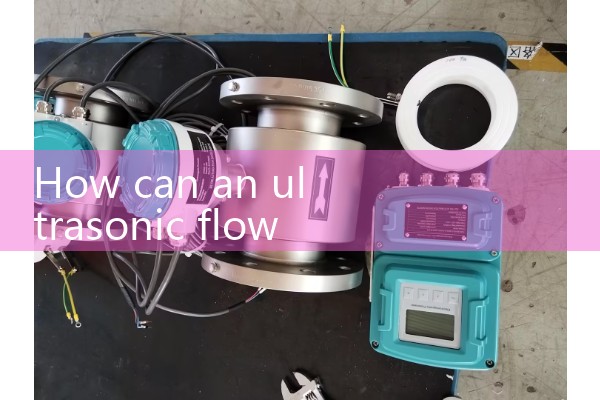
『SILVER Official Website SERVICE』
 Hot Product
 Related AD