

『Structural diagram of orifice flowmeter』Related information(clamp on meter|electromagnetic meter|venturi meterrotameter|orifice meter|ultrasonic flow meter|mass flow meter|coriolis mass flow meter|coriolis flow meter|magnetic flow meter|magmeter flow meter|magflow flow meter|mag meter flow meter|electromagnetic flow meter|vortex flow meter|turbine flow meter|thermal mass flow meter|thermal flow meter|rotameter flow meter)
What flow meters are commonly used on steam pipelines?
The commonly used flow meters on steam pipelines mainly include the following types, which need to be selected based on actual working conditions, measurement accuracy, range, pressure loss, and installation and maintenance costs.
1. Working principle of vortex flowmeter: Based on the Karman vortex street principle, the steam flow rate is calculated by measuring the alternating vortex frequency generated by the impact of steam fluid on the triangular cylinder vortex generator.
. The vortex frequency is directly proportional to the average flow velocity of the fluid, and the volumetric flow rate can be calculated by combining the cross-sectional area of the pipeline. Applicable conditions: Preferred for steam pipeline temperature ≤ 300 ℃, with low cost and wide applicability. Large measurement range, low pressure loss, high accuracy (usually ± 1%~± 2%), and high reliability. No movable mechanical parts, low maintenance, and long-term stable instrument parameters. Structural composition: sensors, converters, display instruments. Sensors (such as piezoelectric stress sensors) convert vortex mechanical effects into electrical signals and output flow values after processing. Signal output: Supports analog signals (4-20mA) or digital signals (pulse signals) for easy data transmission and reading. Image: The vortex flowmeter is disassembled to measure the vortex frequency and calculate the flow rate Working principle of differential pressure flowmeter: Based on Bernoulli equation and flow continuity equation, the flow rate is determined by measuring the differential pressure generated by throttling devices (such as orifice plate, nozzle, V-cone). Common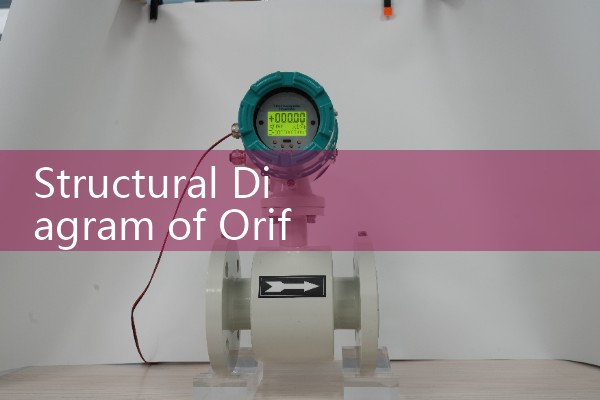
4. Electromagnetic flowmeter (special case) Applicable conditions: Only used when steam condenses into liquid water or contains a large amount of water, as electromagnetic flowmeters require conductive media (such as water) to work. Features: No pressure loss, high measurement accuracy (± 0.5%~± 1%). It is necessary to ensure the conductivity of the medium, otherwise it cannot function properly. It is recommended to prioritize the selection of vortex flowmeter: if the steam temperature is ≤ 300 ℃ and there are no special requirements, its comprehensive performance (accuracy, cost, maintenance) is optimal. High temperature and high pressure con
 Hot News
 Related AD