

『Advantages and Disadvantages of Ultrasonic Flow Meter: Clamp-On Pro/Con Sizing』Related information(clamp on meter|electromagnetic meter|venturi meterrotameter|orifice meter|ultrasonic flow meter|mass flow meter|coriolis mass flow meter|coriolis flow meter|magnetic flow meter|magmeter flow meter|magflow flow meter|mag meter flow meter|electromagnetic flow meter|vortex flow meter|turbine flow meter|thermal mass flow meter|thermal flow meter|rotameter flow meter)
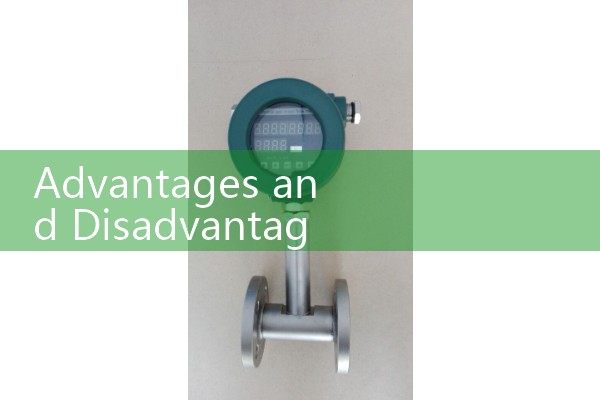
Clamp-On Ultrasonic Flow Meter Advantages Disadvantages and Sizing Notes
Quick Answer
Clamp-on ultrasonic flow meters give reliable flow data without cutting pipes or stopping a running process. They work well for clean water, wastewater, chemicals, and oil on pipe sizes from DN15 to DN2000. The main limits are air bubbles, high solids, heavy pipe scale, and unknown wall thickness.
Where These Meters Are Used in Real Plants
A water utility in the Philippines needed flow data on a 400 mm cement-lined ductile iron line. Shutting down the line was not an option. Silver Automation Instruments supplied a clamp-on ultrasonic flow meter with pipe wall thickness input and PT100 temperature compensation. The crew installed the transducers in about 40 minutes. That is the main reason plant engineers ask for clamp-on models first.
We have seen the same pattern in pump audits, cooling water loops, and desalination plants. In one case, a desalination plant in Saudi Arabia used a clamp-on seawater flow meter on a DN500 high-pressure line because the cost of titanium wetted parts was too high.
Advantages That Matter on Industrial Sites
No pipe cutting means no welding permit, no shutdown, and no drained line. That alone saves hours on a job site. A clamp-on ultrasonic flow meter has no moving parts and no contact with the process fluid. This suits corrosive chemicals and seawater. The same pair of transducers can often move from one pipe to another for spot checks. Pressure drop is zero. Bidirectional flow measurement is standard on most Silver Instruments clamp-on units. Output options include 4-20 mA HART, pulse, and RS485.
For a water treatment plant in Vietnam, we set up a clamp-on meter on a DN300 PVC line in under one hour. The pipe stayed full and the process never stopped. That is a practical advantage for maintenance teams with tight shutdown windows. In practice, a maintenance team in Indonesia used one portable clamp-on unit for pump audits across five different lines. That avoided buying five fixed meters.
Ultrasonic clamp-on meters also work with ultrapure water where conductivity can be below 5 µS/cm. Electromagnetic flow meters need a minimum conductivity. The clamp-on approach avoids that problem.
Disadvantages and Real Limits
Clamp-on ultrasonic flow meters are not perfect. They need a clean pipe surface and proper ultrasonic coupling compound. Air bubbles or suspended solids above roughly 10,000 ppm can attenuate the signal. Thin wall metal pipes often transmit the signal around the pipe instead of through the liquid. Old concrete pipes with unknown wall thickness create sizing headaches.
Accuracy is typically 1 to 2 percent of reading for a well-installed clamp-on meter. That is fine for process monitoring but not for custody transfer. The meter does not work on vacuum lines or gas lines. Temperature limits with standard transducers are often around 150 °C. High temperature transducers cost more. Fluid with very low density or high viscosity above 300 cP can also reduce signal strength.
Sizing Notes for Pipe Size, Wall Thickness, and Flow Range
Clamp-on ultrasonic flow meter sizing is not only about flow rate. You need five inputs from the site. Pipe outer diameter, pipe wall thickness, pipe material, liner material, and fluid type. Here is the thing. Most engineers skip this part. If wall thickness is wrong, the flow reading is wrong. In practice, a DN15 line needs flow velocity above 0.3 m/s for a reliable reading. For a DN2000 line, one set of transducer
Heat energy measurement needs two PT100 sensors and a thermal flow calculator. For desalination plants, a seawater flow meter with clamp-on transducers can avoid expensive titanium wetted parts. If your pipe has a thick liner or heavy scale, tell us before ordering. We may recommend a higher frequency transducer pair or a wetted electromagnetic flow meter instead.
Where Clamp-On Ultrasonic Flow Meters Fit Best
Water and wastewater plants use them on raw water, backwash lines, and filter effluent. Chemical plants use them for dosing water, weak acid, and cooling water. Food and beverage plants use them for clean water, CIP return water, and glycol loops. Oil and gas terminals use them for lube oil and diesel lines but only when the pipe is full and fluid has low solids.
A paint manufacturer in Malaysia used a clamp-on ultrasonic flow meter on a 50 mm solvent line to check pump performance. They did not want to cut into a stainless steel pipe. The installation took one hour with no hot work permit. This is a typical request from chemical and food plants.
Recommended Setup and Outputs
For fixed installation, ask for 4-20 mA HART output, RS485 Modbus, and a local display. For hazardous areas, specify ATEX Zone 1 or Zone 2 enclosures. For temporary audits, choose a portable clamp-on ultrasonic flow meter with a rechargeable battery. Silver Automation Instruments can configure the meter for common pipe materials including carbon steel, stainless steel, PVC, ductile iron, and cement-lined steel. Send us your pipe outer diameter, wall thickness, flow range, and fluid type. We will select the right transducer frequency and mounting kit.
Contact Silver Automation Instruments
Get a price and model recommendation. Send your pressure in bar, temperature in °C, pipe size in DN, and flow range. Tel: +86-135-1213-1526. WhatsApp: 86-135-12131526. WeChat: +86 13512131526. For Southeast Asia, Oceania, Latin America, Africa, and Middle East inquiries, our team at Silver Automation Instruments can quote in English or Spanish. See product data at flow-meter.com.au.
FAQ: Clamp-On Ultrasonic Flow Meter
Can a clamp-on ultrasonic flow meter measure gas or steam?
No. Clamp-on ultrasonic flow meters typically measure clean liquids with low solids. Gas and steam need different ultrasonic or thermal mass flow meter technology.
What accuracy can I expect on a DN100 water line?
With clean water, a smooth pipe, and correct transducer spacing, expect 1 to 2 percent of reading. Poor pipe couplant or air bubbles can bring that to 3 percent or worse.
Does pipe scale affect the clamp-on signal?
Yes. Heavy scale or internal corrosion blocks the ultrasonic signal. Remove scale or choose a wetted sensor alternative like an electromagnetic flow meter.
Can one clamp-on meter be moved between different pipe sizes?
Yes for many portable models. You must enter new pipe outer diameter, wall thickness, and liner data each time. Accuracy depends on the transducer frequency match.
Is a clamp-on ultrasonic flow meter suitable for custody transfer?
No. Most users do not accept clamp-on meters for billing or custody transfer. Use a Coriolis mass flow meter or a wetted ultrasonic meter for that purpose.
 Hot Blog
 Related AD