

 Current position > Product detail
『Air Flow Mass Meter: Electronic Precision Industrial Gas Controls』Related information(clamp on meter|electromagnetic meter|venturi meterrotameter|orifice meter|ultrasonic flow meter|mass flow meter|coriolis mass flow meter|coriolis flow meter|magnetic flow meter|magmeter flow meter|magflow flow meter|mag meter flow meter|electromagnetic flow meter|vortex flow meter|turbine flow meter|thermal mass flow meter|thermal flow meter|rotameter flow meter)
Air Flow Mass Meter: Electronic Precision Industrial Gas Controls
Quick Answer: An air flow mass meter measures gas mass flow directly in kg/h or Nm3/h. It suits compressed air, nitrogen, natural gas, biogas, and process gas lines. Silver Automation Instruments supplies these meters with 4-20 mA HART, RS485 Modbus, and optional ATEX Zone 1 approvals.
Volume flow meters on gas lines cause avoidable error. Pressure and temperature change. Actual cubic meters shift. Mass flow does not. That is why industrial gas controls use direct mass flow output.
Electronic precision industrial gas controls need direct mass flow, temperature compensation, and stable output. An air flow mass meter from Silver Automation Instruments delivers kg/h or Nm3/h data straight to a PLC or flow computer.
Why Direct Mass Flow Matters in Industrial Gas Controls
Plant air, boiler gas, and burner feed lines need stable measurement. A compressed air system at 7 bar and 25 °C can swing to 5 bar at a different shift. A velocity meter reads line flow only. A thermal mass flow meter measures mass velocity and temperature. It pushes out a signal proportional to kg/h. Most engineers skip the density correction step after they install this type.
We have seen this on customer sites many times. A food packaging line in Vietnam had a natural gas flow signal that drifted during afternoon heat. The old differential pressure setup needed pressure and temperature compensation. The replacement air flow mass meter sent a 4-20 mA HART signal direct to the PLC. Commissioning took less than one shift.
Gas Types and Applications
These meters handle air, nitrogen, carbon dioxide, argon, natural gas, and mixed process gas. Different gas types need different calibration factors. Tell us the gas composition when you ask for a quote. Do not send a meter calibrated for air into a biogas line without checking the thermal properties. Silver Instruments calibrates each unit for the target gas.
Typical industries include oil and gas, water and wastewater, chemical plants, food and beverage, and marine systems. A desalination plant in the Middle East used an air flow mass meter on instrument air at 8 bar. A paint manufacturer in Southeast Asia used the same series on solvent vapour recovery at 0.3 bar. Both needed different flow ranges and wetted materials. The base electronics stayed the same.
Key Parameters to Specify
Send these values when you request a price. Pipe size in DN. Minimum and maximum flow in kg/h or Nm3/h. Operating pressure in bar. Gas temperature in °C. Ambient temperature if the pipeline is outdoors. Hazardous area classification if needed. Powe
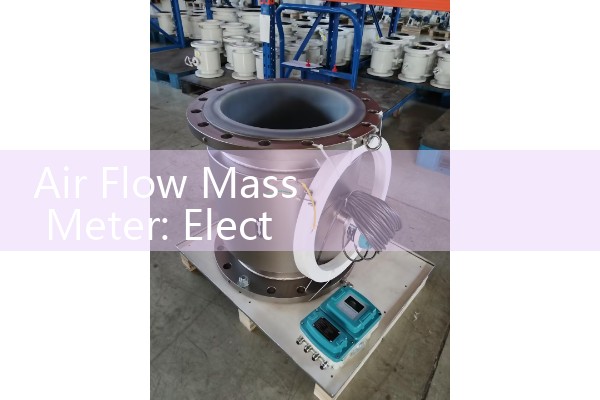
For most air and gas lines, Silver Instruments recommends the TGM-100 thermal mass flow meter. It covers DN15 to DN200. Flow ranges from 0.1 to 100 Nm3/h for air at reference conditions. Accuracy is ±1.5% of reading. A PT100 sensor handles temperature compensation. Outputs include 4-20 mA HART and RS485 Modbus. Optional Ex d enclosure meets ATEX Zone 1 for gas environments.
For higher accuracy or gas mixing, the Silver Instruments CMF-G Coriolis mass flow meter gives ±0.2% of reading. It outputs mass flow directly in kg/h and can handle line pressures up to 100 bar. This model fits custody transfer applications and test benches.
Installation and Field Notes
Thermal mass flow meters need straight run. Keep 10 pipe diameters upstream and 5 downstream if possible. In practice, many compressor rooms do not have that space. A flow conditioner helps. Avoid installing the sensor near control valves or elbows that create swirl.
Because these meters have no moving parts, maintenance is low. But do not ignore contamination. Oil mist from compressors can coat the sensor and drift the reading. We recommend a filter upstream for dirty air. For biogas, install a drip leg and no condensation trap at the meter.
How to Order Without Delay
For a fixed price quote, send your gas type, minimum and maximum flow in kg/h or Nm3/h, operating pressure in bar, temperature in °C, pipe size in DN, and hazardous area zone. Call Silver Automation Instruments at +86-135-1213-1526. WhatsApp is 86-135-12131526. WeChat is +86 13512131526. You can also visit flow-meter.com.au for product specifications.
FAQ
What is the difference between an air flow mass meter and a volumetric flow meter?
An air flow mass meter reports mass flow in kg/h or standard volume flow in Nm3/h. A volumetric meter reports actual cubic meters per hour. Gas mass meters remove extra pressure and temperature compensation steps.
Can the meter work in hazardous areas?
Yes. Silver Instruments supplies Ex d enclosures for ATEX Zone 1 and Zone 2. Specify the zone and gas group when you order.
Which output signals are available?
Standard outputs are 4-20 mA HART and RS485 Modbus. Pulse output and local display are optional.
What pipe sizes does the TGM-100 cover?
The standard TGM-100 covers DN15 to DN200. Hot tap insertion versions cover larger ducts and stack gas lines.
Can the same meter measure air and natural gas?
No. Each unit is calibrated for a specific gas or gas mixture. You need to inform the factory of the target gas composition to avoid measurement error.