


 Current position > Product detail
『Anemometer Air Flow Meter: Comparing different methods for measuring duct velocity.』Related information(clamp on meter|electromagnetic meter|venturi meterrotameter|orifice meter|ultrasonic flow meter|mass flow meter|coriolis mass flow meter|coriolis flow meter|magnetic flow meter|magmeter flow meter|magflow flow meter|mag meter flow meter|electromagnetic flow meter|vortex flow meter|turbine flow meter|thermal mass flow meter|thermal flow meter|rotameter flow meter)

Anemometer Air Flow Meter: Comparing Different Methods for Measuring Duct Velocity
Quick Answer: Duct velocity measurement matters for HVAC balancing, burner air supply, and exhaust monitoring. Common tools include vane anemometers, hot-wire probes, pitot tubes with differential pressure transmitters, and thermal mass flow meters. For permanent 4-20 mA output and low maintenance, Silver Instruments recommends insertion thermal mass flow meters that report air velocity directly without extra temperature or pressure compensation.
Why Measure Air Velocity Inside a Duct
Engineers measure duct velocity to confirm airflow rates in ventilation, confirm combustion air supply, or track flue gas exit speed. A paint booth in Thailand needed constant face velocity to meet safety codes. A food drying line in Mexico used duct velocity to control product moisture. In these cases a handheld reading once a month is not enough. The plant needs a continuous signal.
Four Common Ways to Get Duct Velocity
We see four instrument types on customer sites: vane anemometers, hot-wire anemometers, pitot tubes connected to DP transmitters, and thermal mass flow meters. Each one handles dust, temperature, and pipe size differently.
Vane Anemometers
A vane anemometer spins a small propeller inside the duct. It is low cost and easy to use. Most HVAC technicians keep one in the truck. But the bearing wears out if dust or moisture is present. The output is a handheld reading, not a 4-20 mA signal. It does not work well for permanent process control. Accuracy is around ±3% of reading under clean conditions. For dirty exhaust ducts we do not recommend vane probes.
Hot-Wire Anemometers
A hot-wire probe uses a heated thin wire. Airflow cools the wire and the instrument converts the cooling rate to velocity. Response time is fast and it reads low velocity down to 0.1 m/s. However the wire is fragile. Dust, oil mist, or condensation breaks it. Calibration drifts and the wire needs frequent cleaning. These work best in clean laboratory air, not in a cement plant or a marine engine room.
Pitot Tubes with DP Transmitters
A pitot tube captures total and static pressure. A differential pressure transmitter converts the pressure difference to velocity using the Bernoulli equation. This method suits large ducts with moderate to high velocity. It needs a separate temperature sensor and sometimes a pressure sensor for density correction. Silver Instruments supplies compact DP transmitters with 4-20 mA HART that pair with standard L-type pitot tubes. The pitot tube plus transmitter solution is cost-effective for duct diameters above DN300. In a water treatment plant in Saudi Arabia, an averaging pitot tube sent a 4-20 mA signal to the PLC to monitor aeration air flow. One limitation is that low velocity below 3 m/s generates very small DP signals and accuracy drops. Dust plugs the pitot holes over time, so weekly purge is common.
Thermal Mass Flow Meters
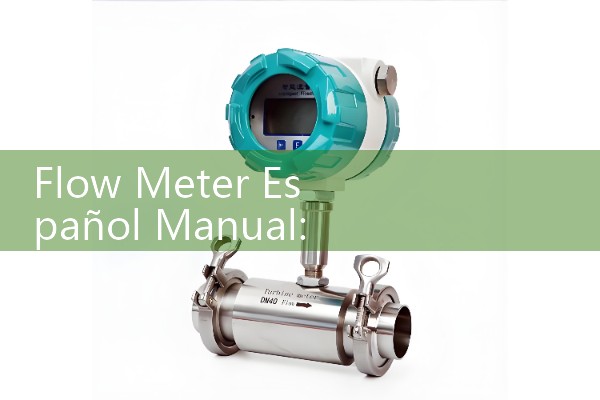
Insertion thermal mass flow meters place two RTD sensors into the gas stream. One sensor measures
How the Methods Compare in a Real Duct
A vane anemometer costs less than 200 USD but gives only spot checks. A hot-wire probe is accurate but fragile, averaging 100 to 500 USD. A pitot tube plus DP transmitter runs from 400 to 1,200 USD, yet needs regular purging and density compensation. An insertion thermal mass flow meter from Silver Instruments ranges from 800 to 2,500 USD depending on size and certification. Lifetime cost is lower because there is no purge air consumption and no drift from dust. Industrial plants in Vietnam and Nigeria choose the thermal method when they need a continuous signal for burner management or emission reporting.
Key Parameters to Specify
Before you request a quote, collect four numbers. Duct inner diameter in mm (or DN). Gas type (air, flue gas, biogas). Minimum and maximum velocity in m/s. Temperature and pressure at the measuring point. We also check if the gas has moisture or sticky particulates. Send us these values and our application team will propose a meter model, insertion length, and output protocol. Email [email protected] or call +86-135-1213-1526. WhatsApp at 86-135-12131526 and WeChat at +86 13512131526 are available for quick sketches and photos of your duct.
FAQ
Which duct velocity meter has the lowest maintenance?
Insertion thermal mass flow meters have no moving parts, no purge air, and no impulse lines. Maintenance is limited to an annual check.
Can I use a vane anemometer for permanent monitoring?
Vane anemometers give handheld readings only. They do not output 4-20 mA and are not designed for continuous industrial use.
What sizes do Silver Instruments thermal flow meters support?
We supply insertion probes for ducts from DN80 to DN2000. Inline flow meters cover DN15 to DN300.
Do I need temperature and pressure compensation with a thermal meter?
No. The thermal principle measures mass flow directly. Velocity is calculated inside the transmitter using the pipe diameter you enter.
How do I get a price for a duct air flow meter?
Send us your duct size, gas type, temperature, pressure, and flow range. We will return a quotation with data sheet in one working day. Use [email protected].