

 Current position > Product detail
『Flow Meter Español Manual: Calibración y Mantenimiento de Caudalímetros Electrónicos』Related information(clamp on meter|electromagnetic meter|venturi meterrotameter|orifice meter|ultrasonic flow meter|mass flow meter|coriolis mass flow meter|coriolis flow meter|magnetic flow meter|magmeter flow meter|magflow flow meter|mag meter flow meter|electromagnetic flow meter|vortex flow meter|turbine flow meter|thermal mass flow meter|thermal flow meter|rotameter flow meter)
Electronic Flow Meter Calibration and Maintenance Manual
Quick Answer: A routine calibration and maintenance plan for electronic flow meters reduces drift, billing errors, and unplanned shutdowns. This guide covers Coriolis, electromagnetic, ultrasonic, vortex, oval gear, and thermal mass flow meter checks with clear intervals. The Spanish manual title is Flow Meter Español Manual: Calibración y Mantenimiento de Caudalímetros Electrónicos.
Silver Automation Instruments supplies flow meters to end users and distributors in Southeast Asia, Oceania, Latin America, Africa, and the Middle East. Common industries include oil and gas, water and wastewater, chemical processing, food and beverage, and marine service. Send us your pressure (bar), temperature (°C), pipe size (DN), and flow range for a specific quote.
Calibration Intervals by Electronic Flow Meter Type
No universal interval fits all flow meters. The actual service life depends on fluid type, temperature, pressure, and solids content.
For Coriolis mass flow meters, check the zero point every 12 months. In batch loading terminals or custody transfer systems, inspect the flow sensor and transmitter every 6 months. A paint manufacturer in Southeast Asia reduced resin batch weight errors after we checked a DN50 Coriolis meter zero point.
For electromagnetic flow meters, verify electrode condition and grounding every 12 to 24 months. Wastewater plants with grease or slurry should inspect electrodes every 6 months. These meters need a minimum conductivity of 20 µS/cm. For drinking water lines, use a PTFE liner and 316L electrodes. A customer in Vietnam asked us about seawater flow for a desalination plant and we recommend a DN150 electromagnetic flow meter with rubber liner and titanium electrodes.
For ultrasonic flow meters, clean the transducer faces once per year. Clamp-on models need couplant replacement every 6 months in hot or humid sites.
For vortex flow meters, check the bluff body and sensor for buildup every 12 months. Steam service lines may need more frequent inspection because condensate and scale change the K-factor.
For oval gear flow meters, verify mechanical clearance and rotor wear every 6 to 12 months. Diesel and heavy fuel oil batches require clean strainers. A distributor in Mexico supplies our oval gear flow meter for diesel dispensing and reports that monthly strainer checks keep readings stable.
Maintenance Procedures for Electronic Flow Meters
Most engineers skip this part but the transmitter housing matters. Keep the enclosure dry and inspect cable glands for moisture ingress. In humid coastal plants, sealed cable entries stop corrosion.
Check the 4-20 mA HART output against a certified multimeter during calibration. For models with a PT100 temperature sensor, verify resistance
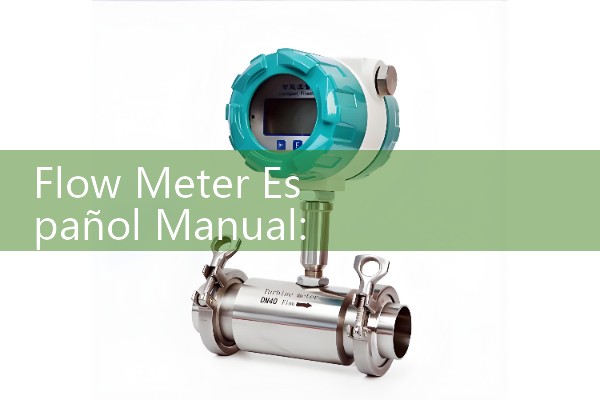
For ATEX Zone 1 installations, do not open the housing under power. Follow the site hot work permit and use the correct Ex d or Ex ia protection method. Keep spare O-rings, fuses, and terminal blocks on hand. A chemical plant in the Middle East reduced downtime after keeping one spare transmitter per five instruments.
Model Specific Parameters
For conductive liquids above 20 µS/cm, choose the Silver Instruments SIL-EMAG electromagnetic series. Pipe sizes run from DN15 to DN2000. Liner options include PTFE, rubber, and ceramic. Electrode options include 316L, Hastelloy C, titanium, and tantalum.
For gas flows below 100 kg/h, use the SIL-THERM thermal mass series with a PT100 sensor and 4-20 mA HART output. For high viscosity oil or food syrup from 5 cP to 10000 cP, use the SIL-OVAL positive displacement series. The SIL-COR Coriolis series handles mass flow down to 0.5 kg/h for chemical dosing and custody transfer.
Onsite Calibration vs Factory Calibration
Factory calibration is more accurate because the flow lab controls pressure, temperature, and reference meters. Silver Instruments provides a calibration certificate with each new meter and offers recalibration service in our Nanjing facility.
Onsite calibration works for verification. Use a clamp-on ultrasonic flow meter as a reference for large DN300 to DN1200 pipes. For small pipes DN15 to DN50, use a certified reference flow meter or a weighing system. In practice, most engineers combine annual onsite checks with factory recalibration every two to three years for custody transfer meters.
FAQ
Question: How often should I calibrate an electromagnetic flow meter? Answer: Check electrode condition and grounding every 12 to 24 months. For wastewater, pulp, or slurry lines, inspect every 6 months.
Question: What parameters do I send for a quote? Answer: Send us your pressure (bar), temperature (°C), pipe size (DN), flow range, fluid type, and conductivity. We reply with a quote and recommended model.
Question: Do you have a Spanish version of this manual? Answer: Yes. The title is Flow Meter Español Manual: Calibración y Mantenimiento de Caudalímetros Electrónicos.
Question: Can you recalibrate old flow meters? Answer: Yes. We can recalibrate Silver Instruments meters and many third party models after a technical review.
Question: What is the minimum conductivity for electromagnetic flow meters? Answer: The process liquid must have at least 20 µS/cm. For lower conductivity, choose a Coriolis or thermal mass flow meter.
Contact Silver Automation Instruments for calibration support or a quote. Tel: +86-25-68650347. Whatsapp: +86-25-52155837. WeChat: +86 15365082610.