

 Current position > Product detail
『Auto Fuel Flow Meter: Real-Time Engine Consumption Diagnostics Sizing』Related information(clamp on meter|electromagnetic meter|venturi meterrotameter|orifice meter|ultrasonic flow meter|mass flow meter|coriolis mass flow meter|coriolis flow meter|magnetic flow meter|magmeter flow meter|magflow flow meter|mag meter flow meter|electromagnetic flow meter|vortex flow meter|turbine flow meter|thermal mass flow meter|thermal flow meter|rotameter flow meter)
Auto Fuel Flow Meter: Real-Time Engine Consumption Diagnostics and Sizing
Quick Answer:
An auto fuel flow meter gives you direct kg/h or L/h readings right at the engine inlet and return line. You get real-time fuel consumption data without cutting into CAN bus or relying on ECU estimates. For diesel engines from 50 kW to 3000 kW, we usually size a positive displacement meter like the oval gear type or a small Coriolis meter if you need mass flow and better accuracy on light fuels.
Why You Cannot Trust ECU Fuel Data for Real Diagnostics
ECU injection quantity is a calculated value. It comes from injector pulse width maps, rail pressure, and return flow assumptions. On a new engine in a test cell, this can be 2% to 4% off. After 2000 hours in the field, injector drift pushes the error to 6% or even 9%. We have seen this many times on fishing vessels in Southeast Asia and on backup generator sets in the Middle East. The engine control unit has no direct fuel flow sensor. It knows what it commanded, not what actually burned.
If you run a fuel accountability program for a fleet of 12 marine engines, a 7% error across 800,000 litres per year is 56,000 litres you cannot explain. That is why direct measurement on the fuel line matters.
Where to Install the Fuel Flow Meter on an Engine
The standard method is two meters or one meter with a differential setup. You put one flow sensor on the supply line to the engine and a second sensor on the return line. Fuel consumption equals supply minus return. On a common rail diesel, return flow can be 60% to 80% of the supply flow at idle. A single meter on the supply line is useless. You must measure both lines and subtract in real time. A small PLC or dedicated flow computer does that subtraction and outputs a 4-20 mA signal or Modbus RTU value.
For engines under 100 kW, we sometimes use a single oval gear meter on a loop system where all return fuel goes back to the day tank through the meter. But that setup only works if the return line pressure is low and there is no air entrainment. Most engines need a two-meter configuration.
Flow Meter Technologies for Diesel, Bunker Fuel, and Gasoline
Oval Gear Flow Meters are the workhorse here. They cost less, handle viscosities from 2 cP to over 1000 cP, and give direct volumetric flow with a pulse output. A DN10 oval gear meter from Silver Automation Instruments can measure diesel flow from 2 L/h to 100 L/h with ±0.5% reading accuracy. That covers a small 30 kW generator set at idle. For a 1500 kW marine engine, we go up to DN25 oval gear meters rated for 20 bar and 150°C fuel temperature. These meters sit on the fuel polishing skid or directly before the engine duplex filter. Because bunker fuel can contain cat fines and asphaltenes, we always install a Y-strainer with 60 mesh before the oval gear meter. We learned this the hard way from a customer in Vietnam who skipped the strainer and jammed a set of oval gears in three weeks.
Coriolis Mass Flow Meters are the choice when you need direct kg/h output and cannot tolerate moving parts. A miniature Coriolis meter with DN03 or DN06 process connections can measure gasoline and light diesel from 0.15 kg/h up to 600 kg/h. The pickup is instant. You get density, temperature, and mass flow in one device. This helps when fuel density changes from morning (cold diesel, 845 kg/m³) to afternoon (hot diesel from return line, 815 kg/m³). A volumetric meter would show the same L/h but the real energy content shifts. Coriolis catches that. On a test bench for engine R&D, our customers in Europe often pair a DN06 Coriolis meter with a PT100 temperature probe and a 0.1% pressure transmitter to correct for fuel compressibility at 1600 bar common rail pressure. That setup goes beyond what the ECU can tell you.
Turbine and Ultrasonic Meters have limited use here. Turbine meters choke on viscous fuel above 50 cP. Ultrasonic meters need clean fluid without bubbles and straight pipe runs, which you rarely get in an engine skid. We rarely recommend them for direct engine fuel measurement unless the customer already has a conditioned test bench with de-aerated fuel.
Sizing a Fuel Flow Meter for Your Engine: The 6 Numbers We Need
Most engineers skip the full calculation and just send us the engine model. But here is the thing: engine datasheet fuel consumption is often at rated power only. A 1000 kW diesel generator might burn 210 L/h at 100% load and only 62 L/h at 30% load. Your flow meter must cover both ends. A meter sized for max flow will have a turndown problem at low load. A meter sized for idle will create a big pressure drop at full load and may overspeed.
Send us these numbers and we will size the meter:
Fuel type (diesel, MGO, HFO, gasoline, ethanol blend)
Minimum and maximum flow rate in L/h or kg/h
Fuel supply pressure and return line back pressure (bar)
Fuel temperature range (°C)
Pipe size (DN) and connection type (BSP, NPT, SAE flared, DIN flange)
Installation location (before or after lift pump, inside e
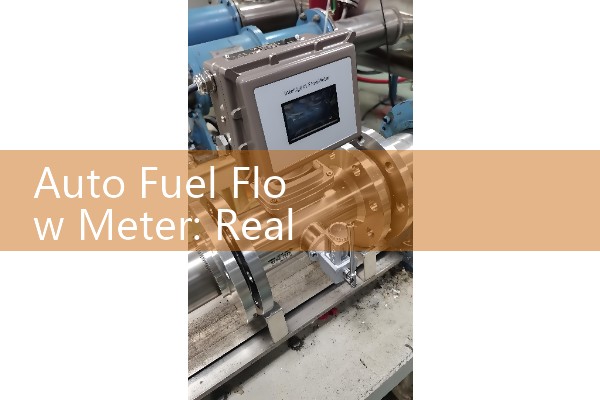
For a real example: a paint manufacturer in Malaysia needed to track diesel consumption on a 500 kW emergency generator. The supply flow was 120 L/h max, return flow 90 L/h max, fuel temperature 40°C to 65°C, and they had DN15 stainless steel pipes. We supplied two oval gear meters with reed switch pulse output and a local display. The meters connected to a paperless recorder that did the subtraction and logged 30 days of data. Total cost was under AUD 1800 ex works. That meter pair has been running for two years with zero maintenance apart from cleaning the strainers once every six months.
Output Signals and Data Logging Options
If you just need a local reading, pick a meter with a mechanical register or a battery-powered LCD totalizer. For automated reporting, use a pulse output (10 pulses per litre or 1000 pulses per litre) wired into a PLC or a remote terminal unit. Silver Instruments oval gear meters come with NPN, PNP, or Namur pulse outputs. For hazardous areas, the Namur output paired with a Zener barrier gives you ATEX Zone 1 compliance out of the box.
On marine applications, we often see Modbus RTU over RS485 going into an engine monitoring system or a voyage data recorder. The meter acts as a slave device and the ship’s automation system polls it every second for instantaneous flow, totalised consumption, and fuel temperature. A Coriolis meter with built-in Modbus and HART output lets you send mass flow, density, and temperature on a single pair of wires. The customer can calculate specific fuel oil consumption (SFOC) in g/kWh by comparing the mass flow with the generator kW output. This is the gold standard for fuel efficiency tracking on offshore supply vessels in the Middle East.
Common Installation Mistakes We See on Customer Sites
1. No return line meter. We get calls every month: “I installed a meter on the supply line but the reading makes no sense.” The engine returns hot fuel, and you must subtract it. Always.
2. Air in the fuel. A positive displacement meter will register air bubbles as fuel volume. Even a small leak on the suction side of the lift pump pulls air into the system. The meter spins faster than the real flow, and you get a consumption value that is 10% to 20% too high. We recommend a visual sight glass or an air eliminator before the meter.
3. Meter placed after a sharp elbow or partially open gate valve. Oval gear and Coriolis meters do not need long straight runs, but severe cavitation or swirl can damage the oval gears or disturb Coriolis oscillation. A straight run of 5 pipe diameters upstream and 3 downstream keeps the flow profile stable.
4. Incorrect pulse scaling in the PLC. A meter that outputs 1000 pulses per litre can be misconfigured as 100 pulses per litre in the SCADA system, leading to a factor of 10 error. Double-check the K-factor setting during commissioning. We provide a calibration certificate with the actual K-factor for every meter.
How to Order or Get a Quote from Silver Automation Instruments
We keep DN04 to DN25 oval gear meters and DN03 to DN15 Coriolis meters in stock at our Nanjing facility. Standard materials are 316L stainless steel body with PTFE or PEEK internal gears for aggressive fuels. Aluminum bodies are available for diesel only, which reduces cost by about 30%. Delivery to Australia, Thailand, Saudi Arabia, Nigeria, and Chile typically takes 3 to 5 working days by air freight.
Send us your engine type, fuel specification, maximum and minimum flow rate, pipe size, and your preferred output signal. We will reply within 24 hours with a recommended meter model, dimensional drawing, and a formal quotation. You can reach us at Tel: +86-25-68650347, via Whatsapp: +86-25-52155837, or on WeChat: +86 15365082610. When you message, please mention the fuel flow meter application so we can forward your query directly to one of our application engineers.
FAQ: Auto Fuel Flow Meter Sizing and Diagnostics
Q: Can I use one flow meter on a common rail diesel engine?
No. You must measure both supply and return flow and subtract the values. Return flow on a common rail engine can be 70% of the supply at low load. A single meter gives you a reading that is 3 to 10 times higher than real consumption.
Q: What is the smallest flow rate an oval gear meter can measure on diesel?
Our DN04 meter with PEEK gears can measure from 0.5 L/h with good repeatability. For flow below that, a miniature Coriolis meter with a 0.05 kg/h minimum is a better choice.
Q: Does the meter need ATEX certification for an engine room on a tanker?
If the meter is installed in a Zone 1 or Zone 2 area, yes. We supply oval gear meters with ATEX-certified Namur sensors and Coriolis meters with Ex d or Ex ia certification. Tell us the zone classification when you send the inquiry.
Q: What accuracy can I expect after one year in the field?
Oval gear meters hold 0.5% of reading for 18 to 24 months on clean diesel with a strainer. On bunker fuel with cat